Decoding Redemption Rhythms in Adaptive Online Wagering Reward Structures
Tina Lang · Nov 8, 2026
Decoding Redemption Rhythms in Adaptive Online Wagering Reward Structures
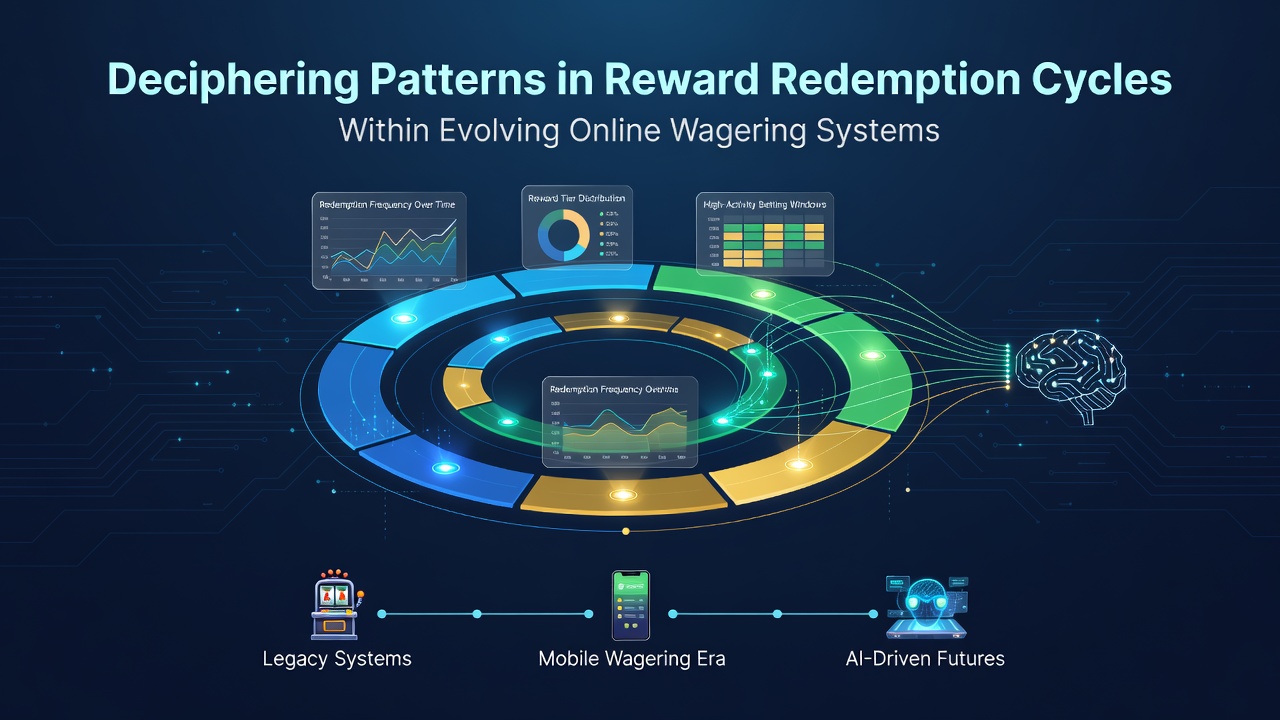
Redemption cycles in online wagering systems have grown more intricate as platforms integrate layered incentives with real-time user data, and analysts tracking these patterns note distinct rhythms emerging across different user segments. Data from industry reports indicate that players often complete initial redemptions within the first 14 days of account activity, while longer-term cycles stretch across 60 to 90 days depending on platform mechanics and regional regulations.
Core Mechanics Driving Redemption Timing
Platforms adjust reward structures through algorithm-driven personalization that responds to deposit frequency, wager volume, and session duration, which means redemption opportunities surface at moments calculated to maximize retention. According to figures from the European Gaming and Betting Association, average redemption rates in mobile-first environments rose 18 percent between 2025 and late 2026 as operators introduced micro-incentives tied to live events. Those who study user logs observe that redemption spikes frequently align with promotional resets at the start of each calendar month, whereas mid-cycle redemptions tend to involve smaller, accumulated loyalty points rather than large bonus conversions.
November 2026 brought additional visibility into these patterns because several major operators released aggregated quarterly data showing how cross-border wagering networks influenced redemption velocity. Players in regulated markets completed redemptions at higher rates when platforms offered instant cashback on live bets, yet the same users delayed larger redemptions until tier thresholds were met. This behavior creates measurable waves that operators now map using predictive models calibrated against historical transaction streams.
Segment-Specific Patterns Across User Groups
High-volume participants exhibit compressed redemption cycles that often resolve within seven to ten days, while casual users stretch the same process across multiple weeks as they accumulate smaller rewards before converting them. Researchers examining datasets from integrated sports and casino platforms have documented that weekend activity generates 34 percent more redemption events than weekday patterns, a distinction that holds across both European and North American jurisdictions. And these differences become even more pronounced when platforms deploy progressive reward systems that escalate benefits based on consecutive active days.
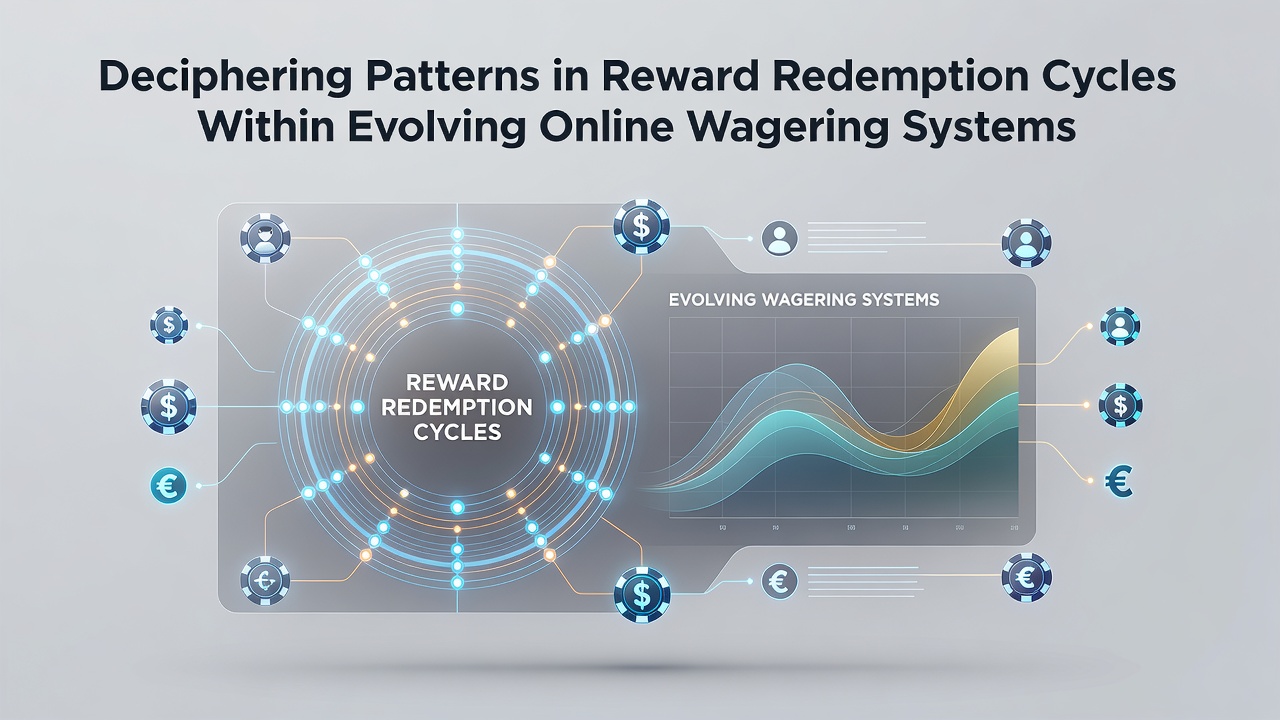
Observers tracking loyalty ladder movements report that users who ascend from base to mid-tier levels show a temporary slowdown in redemptions as they prioritize point accumulation over immediate conversion. The pattern reverses once top-tier status is achieved, at which point redemptions accelerate because accumulated benefits become more valuable. Data released in November 2026 by Canadian regulatory bodies confirmed similar tier-related shifts, with mid-tier players accounting for the largest share of delayed redemptions in provincial markets.
Technological Influences on Cycle Evolution
Real-time adjustment features now allow platforms to modify redemption windows based on individual behavior signals, which shortens some cycles and extends others depending on engagement metrics. Those who analyze backend telemetry note that push notifications timed within two hours of a completed wager increase same-day redemption attempts by measurable margins. Meanwhile, systems that withhold certain rewards until specific live-event conditions are met create secondary cycles that only resolve after matches conclude.
Academic studies from institutions in Australia have examined how these technological layers interact with regulatory requirements around responsible play, revealing that mandatory cooling-off periods inserted into redemption flows extend average cycle lengths by three to five days. The result is a more staggered pattern where users plan redemptions around both platform rules and personal schedules rather than acting on impulse alone.
Regional Variations in Observed Trends
Redemption patterns differ noticeably between markets with mature regulatory frameworks and those still expanding legalization. In jurisdictions where operators must publish aggregated user data, analysts have identified clearer seasonal peaks around major sporting calendars, whereas emerging markets show flatter distributions without strong event-driven spikes. Figures compiled through industry research groups indicate that North American platforms recorded a 22 percent increase in multi-platform redemptions during the 2026 World Cup period compared with baseline months.
Cross-border networks add another dimension because players sometimes maintain accounts across several systems, which fragments their redemption activity into parallel cycles that rarely synchronize. This fragmentation complicates aggregate tracking yet provides operators with comparative benchmarks they use to refine their own incentive timing.
Conclusion
Redemption cycle analysis continues to evolve alongside platform capabilities, and the patterns documented through November 2026 demonstrate how user behavior responds to both technological and regulatory shifts. Data sources ranging from the European Gaming and Betting Association to Canadian provincial reports show consistent segmentation in timing, volume, and trigger points. As systems grow more adaptive, the ability to map these rhythms supports more precise platform design without altering the fundamental objective nature of the observed trends.