Cashback Webs and Their Ripple Through Hybrid Sports-Casino Onboarding Journeys
Jonas Bennett · Oct 25, 2026
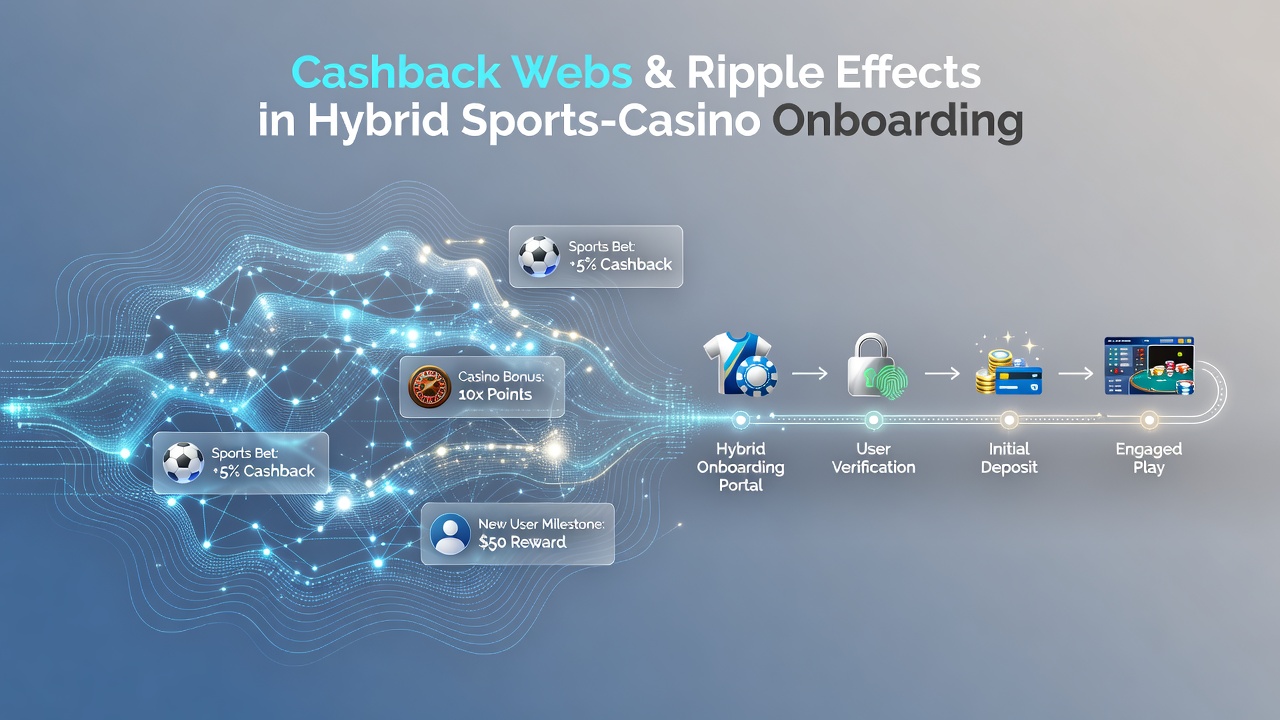
Cashback Webs and Their Ripple Through Hybrid Sports-Casino Onboarding Journeys
Hybrid platforms that combine sports betting with casino games have adopted cashback webs as structured reward layers, and these systems now shape how new users move through initial registration, first deposits, and early activity cycles. Data from multiple markets shows cashback offers distributed across both verticals create interconnected pathways that extend session times while guiding players toward diversified engagement. Observers note that such webs often begin with small percentage returns on losses that scale based on activity volume and product mix, creating incentives that pull users deeper into the platform ecosystem.
Mechanics Behind Cashback Integration at Entry Points
Operators deploy cashback through automated tracking that monitors bets placed on sports markets alongside wagers in slots or table games, then issues returns within set timeframes such as daily or weekly cycles. Research indicates these returns frequently appear as bonus credits that carry rollover requirements tied to the original vertical, yet many programs allow seamless transfer between sports and casino balances to maintain momentum. In October 2026 figures released by the New Jersey Division of Gaming Enforcement revealed sustained growth in hybrid account sign-ups where cashback eligibility activated within the first 24 hours, correlating with higher completion rates for identity verification steps.
Users encounter these offers immediately after account creation through personalized dashboards that display projected cashback based on planned activity, which encourages selection of both a sports event and a casino title during the onboarding sequence. This approach reduces drop-off points that previously occurred when players encountered separate reward structures for each product line.
Observed Effects on Retention and Cross-Vertical Movement
Studies tracking user cohorts across integrated sites find that cashback webs increase the likelihood of players sampling both sports and casino features within the first week. One analysis of European operators showed participants exposed to unified cashback structures completed an average of 3.2 additional deposit cycles compared with those limited to single-vertical promotions. The ripple extends further because returned funds often carry prompts that suggest complementary activities, such as using casino winnings to fund live sports bets during the same session.
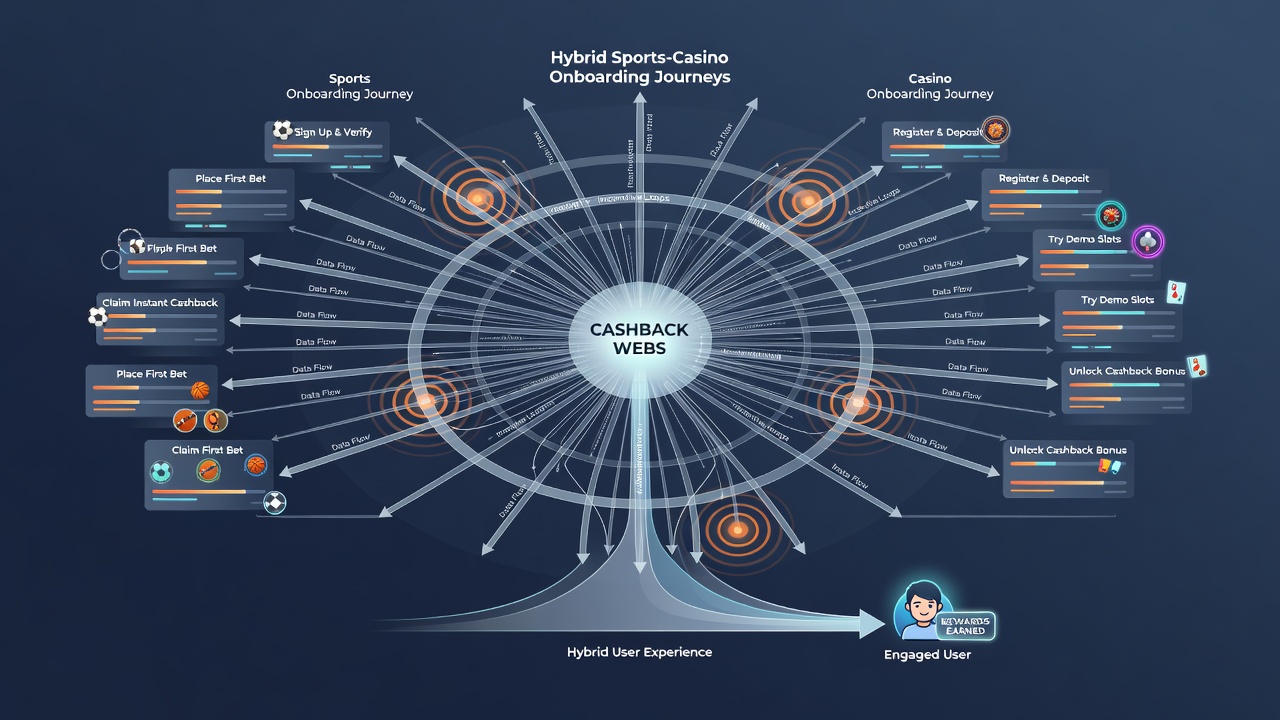
Platform data also highlights shifts in churn patterns. Accounts that receive cashback tied to combined activity demonstrate longer intervals before inactivity flags appear, particularly when the web incorporates tiered multipliers that reward consistent movement between verticals. Those who've examined these systems point to the way real-time notifications reinforce the connection, reminding users that losses in one area can offset gains in another through accumulated returns.
Regional Patterns and Regulatory Context
North American markets have seen cashback webs expand alongside state-level expansions, with programs adapting to local tax structures and responsible gaming caps. Meanwhile reports from the Australian Gambling Research Centre document similar structures in licensed online environments where cashback calculations incorporate both sports handle and casino turnover, producing measurable lifts in multi-product retention. Canadian provincial regulators have likewise begun publishing aggregate figures that separate hybrid cashback participation from traditional bonus types, revealing elevated first-month activity levels among users who engage the web early.
Industry associations such as the European Gaming and Betting Association have compiled cross-border comparisons showing that platforms offering seamless cashback across verticals record stronger compliance with deposit limit tools because players view the returns as ongoing value rather than one-time incentives. This perception supports sustained use without rapid escalation in spend.
Conclusion
Cashback webs continue to evolve as operators refine algorithms that balance returns across sports and casino activity, and available data through late 2026 confirms their role in lengthening onboarding journeys while encouraging broader platform exploration. Regulatory bodies and research groups across multiple jurisdictions track these developments through standardized reporting, providing ongoing clarity on participation trends and user movement patterns.